
 See Our Latest Article on HelloNation
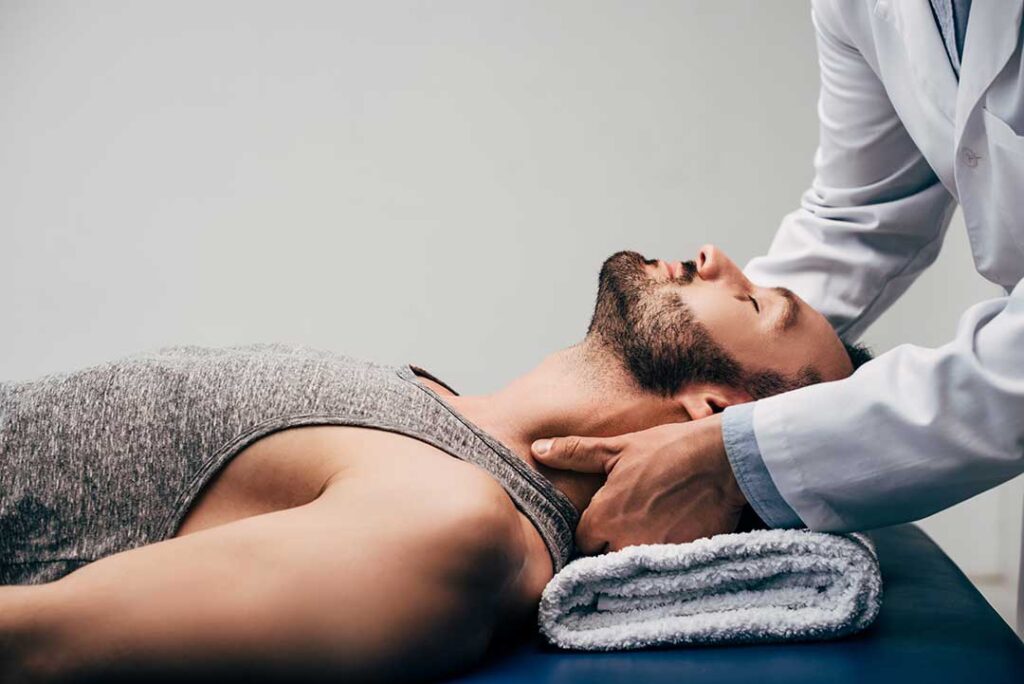
Regular spinal maintenance generally means paying attention to movement, strength, posture, recovery, and recurring discomfort before a minor problem becomes more limiting. It does not necessarily mean routine spinal adjustments for everyone, and it should not be presented as a guaranteed way to prevent injury or disease.
For residents of Monroe, NY, the idea can be especially relevant during seasonal changes. Snow removal, icy walking conditions, long periods indoors, home repairs, gardening, commuting, and recreational activities can all place repeated demands on the back and neck.
What does regular spinal maintenance actually involve?
Regular spinal maintenance is a broad term rather than a single treatment. It may include:
- Maintaining strength in the hips, abdomen, back, and legs
- Practicing regular walking and other comfortable forms of movement
- Improving lifting, reaching, sitting, and sleeping habits
- Addressing recurring stiffness or pain early
- Using manual care, such as mobilization or spinal manipulation, when appropriate
- Reviewing progress and adjusting activities based on symptoms and function
Chiropractic care commonly includes manual therapy, often involving spinal manipulation, along with examination, health-history review, exercise guidance, and other forms of musculoskeletal care. ([nccih.nih.gov](https://www.nccih.nih.gov/health/chiropractic-in-depth?utm_source=openai))
The practical goal is usually not to “put the spine back into place.” The spine is a strong, adaptable structure. A more realistic goal is to improve comfort, movement, confidence, and the ability to manage normal daily activities.
Can regular spinal care reduce back or neck pain?
It may help some people, particularly those with uncomplicated low-back pain or certain mechanical neck problems. Evidence reviews find that spinal manipulation can produce small to modest improvements in pain and function, but results vary and no single approach works for everyone. ([nccih.nih.gov](https://www.nccih.nih.gov/health/low-back-pain-and-complementary-health-approaches-what-you-need-to-know?utm_source=openai))
For chronic low-back pain, the World Health Organization includes spinal manipulative therapy among physical therapies that may be offered as part of broader care. The recommendation is conditional, meaning the expected benefit, risks, preferences, and available alternatives should all be considered. ([who.int](https://www.who.int/news/item/07-12-2023-who-releases-guidelines-on-chronic-low-back-pain?utm_source=openai))
Regular care may be useful when it helps a person:
- Resume walking, household work, or exercise
- Move more comfortably after prolonged sitting
- Manage repeated episodes of stiffness
- Combine hands-on treatment with strengthening and self-care
- Avoid becoming increasingly inactive because of fear of movement
The benefit should be measured by function as well as pain. Being able to sleep better, climb stairs, lift safely, or participate in normal activities may be more meaningful than achieving a completely pain-free day.
Does maintenance care prevent future injuries?
There is not strong evidence that routine adjustments prevent all future back problems or keep the spine “aligned” in a permanent way. Pain can return because of many factors, including changes in activity, muscle conditioning, sleep, stress, previous injury, work demands, and age-related changes.
A sensible maintenance plan is therefore individualized and flexible. It should be reconsidered if symptoms are not improving or if the person is receiving repeated treatment without measurable gains in movement or daily function.
Exercise and self-management are central parts of long-term spinal health. Guidelines for chronic low-back pain emphasize education, physical activity, and coordinated care rather than relying on one treatment in isolation. ([who.int](https://www.who.int/news/item/07-12-2023-who-releases-guidelines-on-chronic-low-back-pain?utm_source=openai))
Why do strength and movement matter so much?
The spine works together with the hips, pelvis, shoulders, and legs. Weakness or limited mobility in one area can change how a person lifts, walks, reaches, or reacts to an unexpected slip.
Useful habits include:
- Taking brief movement breaks during desk work or driving
- Walking regularly, with distance increased gradually
- Practicing controlled squats, hip hinges, and light strengthening
- Keeping frequently used household items within comfortable reach
- Warming up before shoveling, yard work, or recreational activity
- Avoiding sudden increases in exercise after a mostly inactive winter
During snowy or icy conditions, residents may also benefit from slowing down, wearing appropriate footwear, keeping walkways maintained, and carrying loads in smaller amounts. Many back strains happen during ordinary tasks performed while tired, rushed, or unprepared.
Is soreness after spinal manipulation normal?
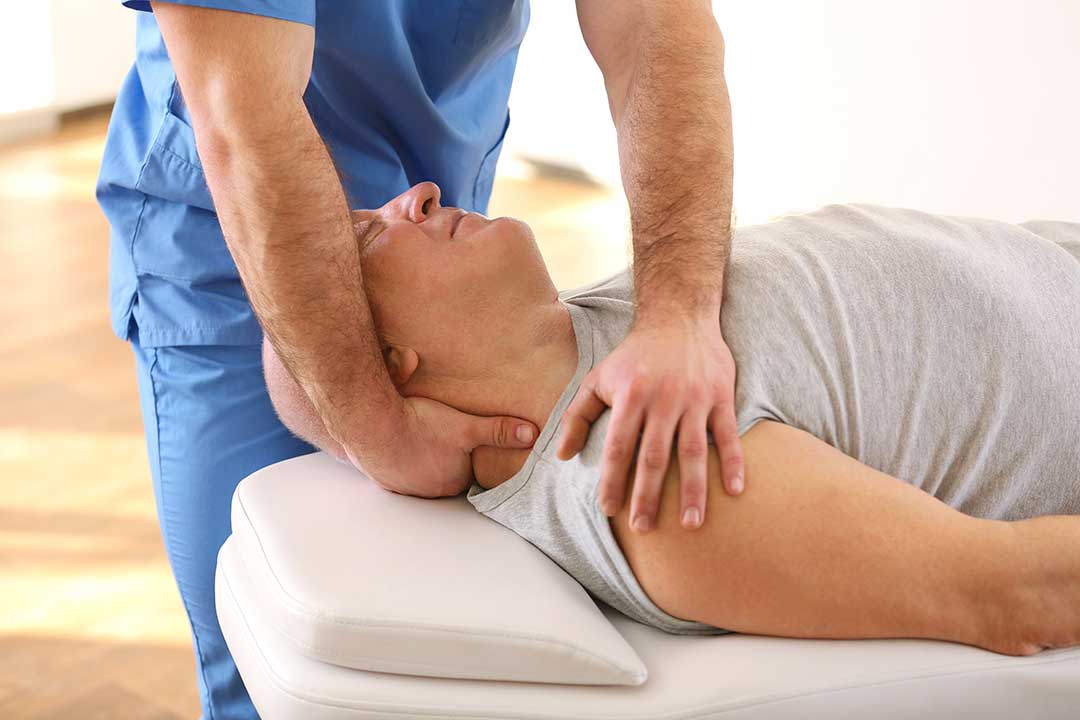
Temporary soreness, stiffness, headache, or increased discomfort can occur after spinal manipulation or mobilization. These effects are generally mild and often resolve within about a day, although individual experiences differ. ([nccih.nih.gov](https://www.nccih.nih.gov/health/spinal-manipulation-what-you-need-to-know?6df6a1c6_page=3&85de4c3e_page=2&utm_source=openai))
A person should report symptoms that are severe, persistent, or different from the usual pattern. Before treatment, it is useful to disclose major health conditions, recent injuries, osteoporosis, bleeding risks, cancer history, neurological symptoms, pregnancy, and current medications.
Neck manipulation deserves particular caution because rare but serious vascular and neurological events have been reported, and experts continue to discuss how often treatment itself causes these problems. Informed decision-making is especially important when considering forceful techniques involving the neck. ([nccih.nih.gov](https://www.nccih.nih.gov/health/spinal-manipulation-what-you-need-to-know?6df6a1c6_page=3&85de4c3e_page=2&utm_source=openai))
When should back or neck pain be evaluated promptly?
Routine maintenance is not appropriate for every symptom. Medical evaluation is warranted for back or neck pain accompanied by warning signs such as:
- New or worsening weakness in an arm or leg
- Loss of bladder or bowel control
- Numbness in the groin or inner thighs
- Fever, unexplained weight loss, or feeling unusually ill
- Significant pain after a fall, collision, or other trauma
- A history of cancer, serious infection, or major bone weakness
- Severe, sudden, or progressively worsening pain
These symptoms may indicate a condition requiring diagnosis beyond routine musculoskeletal care. Delaying evaluation in such circumstances can be unsafe.
How can someone judge whether a maintenance plan is helping?
A useful plan should have observable goals. Examples include walking for a certain amount of time, completing household tasks, sleeping with fewer interruptions, or returning gradually to exercise.
Keeping a simple record for several weeks can clarify whether care is helping:
- What activities increase symptoms?
- How long does stiffness last?
- Is movement improving?
- Are flare-ups less frequent or easier to manage?
- Are fewer medications or rest periods needed?
- Is treatment being combined with strengthening and other self-care?
If there is no meaningful improvement, the plan may need to change. More treatment is not automatically better treatment. The most appropriate approach may involve exercise instruction, medical evaluation, physical therapy, lifestyle adjustments, or other options depending on the symptoms and diagnosis.
For local residents, healthy spinal maintenance is best understood as an ongoing approach to movement and self-care—not a promise that the spine will never hurt. Manual treatment may be one useful option for selected problems, but lasting results generally depend on matching care to the person’s condition and maintaining practical habits between episodes of treatment.
