
 See Our Latest Article on HelloNation
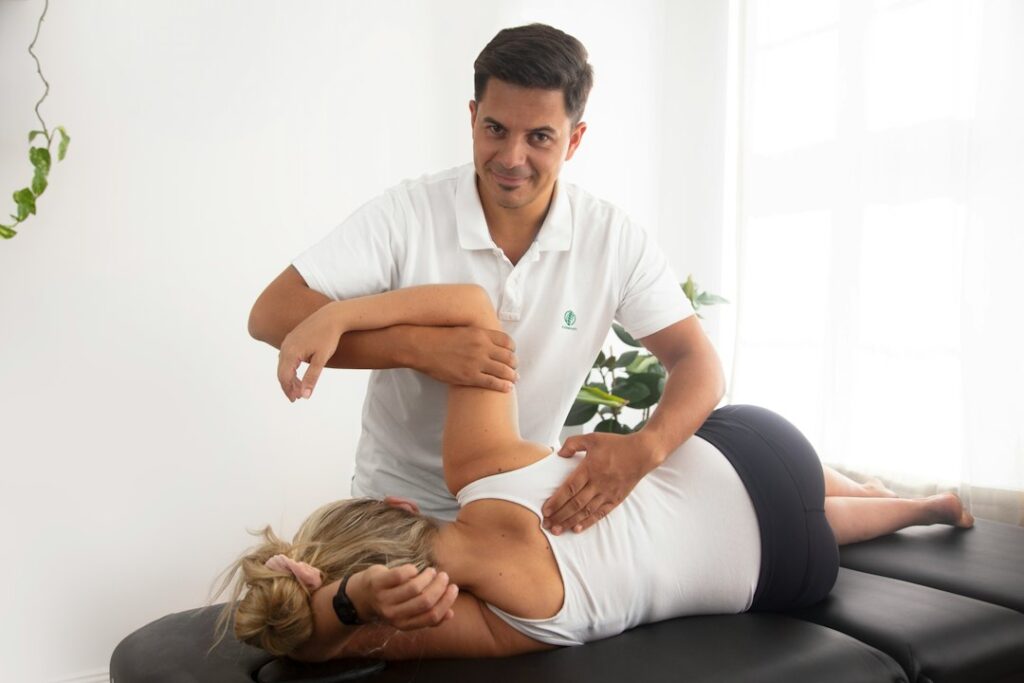
Chiropractic care is one part of a broader approach to physical well-being. It may help some people manage musculoskeletal pain, improve movement, and stay active, but it does not replace medical care, exercise, sleep, nutrition, or evaluation of serious symptoms.
For residents of Monroe, NY, holistic wellness can be especially practical during seasons that encourage more time indoors, increased household projects, snow removal, prolonged driving, or a sudden return to outdoor activity. Chiropractic is best understood as a tool that may support movement and comfort within a larger health plan.
What does chiropractic care involve?
Chiropractic care commonly focuses on the muscles, joints, spine, and nervous system as they relate to movement and physical function. Assessment may include a discussion of symptoms, activity patterns, previous injuries, medications, health conditions, and daily demands.
Treatment can involve:
- Spinal or joint manipulation
- Mobilization using slower, controlled movements
- Soft-tissue techniques
- Stretching and mobility exercises
- Strengthening or stabilization exercises
- Guidance about posture, lifting, and activity habits
The specific approach should match the person’s symptoms, health history, preferences, and goals. A treatment plan should also be adjusted if symptoms are not improving or if new concerns appear.
Can chiropractic care support holistic wellness?
It can, particularly when the goal is to improve function rather than simply provide temporary relief. Pain or restricted movement may make it harder to walk, exercise, sleep, work, or participate in family activities. Addressing a musculoskeletal problem may help a person return to those health-supporting behaviors.
Holistic wellness does not mean that every health problem is caused by spinal alignment or that one treatment can affect every body system. It means considering how physical comfort, movement, sleep, stress, work demands, and daily habits influence one another.
For example, a person with low back discomfort may benefit from a combination of:
- Appropriate hands-on care
- Gradual walking or other physical activity
- Strengthening of the trunk and hips
- Improved lifting habits
- Better sleep positioning
- Stress-management strategies
- Medical evaluation when symptoms suggest another cause
This combined approach is generally more useful than relying on passive treatment alone.
What conditions may respond to chiropractic treatment?
The strongest practical role for spinal manipulation is often in certain cases of low back pain, particularly when the pain is mechanical and not caused by a serious underlying condition. Some people also seek care for neck discomfort, stiffness, headaches associated with the neck, or joint and muscle problems.
Results vary. Chiropractic treatment may reduce pain or improve movement for some individuals, while others may notice little benefit. It is not a guaranteed treatment for every type of pain.
Chiropractic care should not be presented as a cure for asthma, allergies, infections, digestive disease, high blood pressure, or other non-musculoskeletal conditions. Claims that spinal adjustments can broadly improve internal organ function are not supported by the same level of evidence used to evaluate treatment for back and joint problems.
How does movement fit into the process?
Movement is central to long-term physical health. Adults generally benefit from regular aerobic activity along with muscle-strengthening exercise. The appropriate amount depends on age, fitness, medical conditions, pain levels, and ability.
A person experiencing discomfort may need to begin with shorter, easier activities, such as:
- Brief walks on level ground
- Gentle range-of-motion exercises
- Light household movement with frequent position changes
- Gradual strengthening using body weight or resistance bands
- Breaks from extended sitting
During snowy or icy conditions, outdoor walking may require extra caution. Indoor walking, controlled exercise, or simple mobility breaks can help maintain activity when sidewalks and driveways are difficult to navigate.
Hands-on care may make movement more comfortable, but exercise and daily activity are usually what help build lasting capacity. A useful plan focuses on what a person can safely do between visits, not only on treatment received during a visit.
Is chiropractic care safe for everyone?
Spinal manipulation is generally considered low risk when appropriately provided to a suitable patient, but side effects can occur. Temporary soreness, stiffness, headache, or fatigue may develop after treatment.
Certain health conditions require additional caution or a different treatment approach. These may include:
- Recent fractures or major trauma
- Severe osteoporosis
- Certain inflammatory or infectious conditions
- Cancer affecting the bones
- Bleeding disorders or use of blood-thinning medication
- Progressive neurological symptoms
- Recent surgery
- Unexplained weight loss or persistent fever

Neck manipulation deserves particular care because rare but serious complications have been reported. Anyone with unusual risk factors should discuss them clearly before treatment and understand what techniques are being considered.
When should someone seek medical evaluation first?
Not every back, neck, or joint symptom is appropriate for routine chiropractic treatment. Prompt medical evaluation is warranted for symptoms such as:
- New loss of bladder or bowel control
- Numbness in the groin or inner thighs
- Significant or worsening weakness
- Severe pain after a fall, crash, or other trauma
- Fever combined with severe back pain
- Unexplained weight loss
- Chest pain, shortness of breath, or abdominal pain
- A sudden, unusual, severe headache
- New neurological symptoms, including confusion, trouble speaking, or difficulty walking
These signs may indicate a condition requiring urgent medical assessment rather than routine musculoskeletal care.
What should a person expect from a balanced care plan?
A balanced plan begins with a clear explanation of the likely problem, what treatment is intended to do, and how progress will be measured. Useful measures may include walking tolerance, sleep quality, ability to work, range of motion, lifting capacity, or pain during specific activities.
It is reasonable to ask:
- What is the likely source of the symptoms?
- What other causes should be considered?
- What improvement should be expected, and by when?
- Are there exercises or activity changes to do at home?
- What symptoms would require referral or additional testing?
- What are the alternatives to manipulation?
Care should be coordinated when symptoms are persistent, complicated, or affected by other medical conditions. Primary care clinicians, physical therapists, pharmacists, mental health professionals, and other qualified providers may each contribute to a person’s overall wellness.
How can local daily habits affect musculoskeletal health?
In Monroe, seasonal routines can place different demands on the body. Snow shoveling, carrying salt or equipment, clearing walkways, moving stored items, gardening, home maintenance, and extended periods of indoor sitting can all contribute to strains when performed suddenly or without preparation.
Helpful habits include warming up with easy movement, using a manageable load, keeping objects close to the body, avoiding twisting while lifting, changing positions regularly, and increasing activity gradually after a period of inactivity.
The broader purpose of chiropractic care is not simply to pursue a particular spinal position. It is to support safe movement, informed self-care, and participation in meaningful daily activities while recognizing when another type of medical evaluation is needed.
